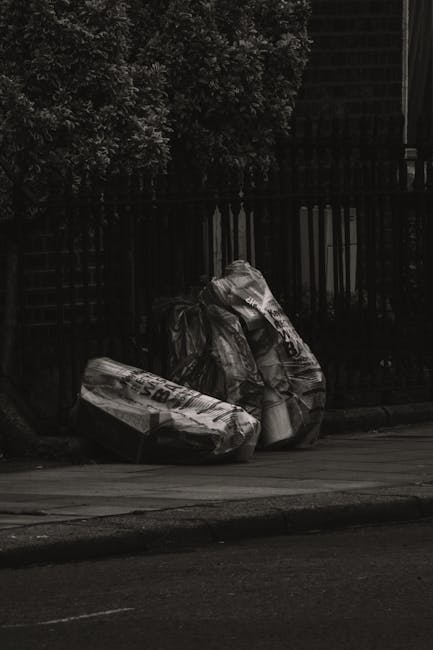
SM6 Bulky Waste Pickup Times and Rubbish Collection Tips
If you live in SM6 and you are staring at an old sofa, a broken wardrobe, or a pile of mixed rubbish that has quietly taken over the hallway, you are not alone. Bulky waste has a way of sitting there until it becomes urgent. The good news is that understanding SM6 bulky waste pickup times and rubbish collection tips can save you hassle, reduce missed collections, and help you get rid of waste in a more organised way.
This guide breaks down how bulky waste collection usually works, what affects pickup timing, how to prepare items properly, and where people often go wrong. It also covers practical alternatives if your waste is too awkward, too much, or simply not suitable for standard collection. To be fair, the difference between a smooth pickup and a frustrating one is often just a little planning.
By the end, you will know how to approach bulky waste in a calm, sensible way rather than doing the usual last-minute shuffle at the kerb at 7 a.m. with a mattress and a blind hope.
Why SM6 bulky waste pickup times and rubbish collection tips Matters
Bulky waste is not like your usual weekly bin. A black sack can disappear in seconds; a fridge, sofa, or broken desk cannot. Pickup times matter because they affect whether your items are ready, whether access is clear, and whether you avoid a failed collection or extra waiting around. In SM6, where streets, driveways, parking, and access vary a lot, timing can make a surprisingly big difference.
If you leave items out too early, they can become an eyesore, attract rain, or even get moved around by other people. Leave them too late, and you risk missing the collection window completely. And if you have ever tried carrying a bulky wardrobe through a narrow hallway on a wet Tuesday morning, you will know why planning is worth it.
Good rubbish collection tips also help with safety. Heavy items can scratch floors, cause back strain, or block exits if they are stacked badly. That matters whether you are clearing a flat, a family house, or a small office. A sensible approach is not just about tidiness; it is about reducing stress and avoiding a bit of a mess on the day.
Expert summary: The best bulky waste pickup is the one that feels almost boring on the day itself. Good timing, clear access, separated items, and a quick final check are usually what make it work.
How SM6 bulky waste pickup times and rubbish collection tips Works
In practical terms, bulky waste collection usually follows one of a few patterns. It may be a council-style collection with a set booking slot, or a private waste removal service with a more flexible arrival window. Either way, the core idea is the same: your items need to be ready, accessible, and placed where the crew can collect them quickly.
Pickup times are usually set in one of these ways:
- Morning window: Useful for larger jobs and residential streets where parking can become difficult later in the day.
- Afternoon window: Handy if you need to move items after school runs, work, or building access restrictions.
- All-day collection window: Less precise, but sometimes necessary when routes are planned dynamically.
The exact timing will depend on the provider, road conditions, weather, traffic, and the type of waste being collected. In real life, a collection that was meant to be "mid-morning" can shift a little. That is normal. What matters most is being ready within the agreed window, not trying to second-guess the truck down to the minute.
Rubbish collection tips come into play before the crew arrives. Separate reusable items from waste, keep loose bits together in bags or boxes, and place everything in a clear, accessible spot. If you are using a private waste service, it can also help to label anything fragile, sharp, or especially awkward. A quick note like "heavy" or "glass" is simple but genuinely useful.
If your waste includes anything unusual, such as white goods, mattresses, or electricals, check whether it belongs with general bulky rubbish or needs specialist handling. For example, appliance disposal and certain mixed clearances often need more care than a standard sofa lift. The service pages for fridge and appliance removal and mattress and sofa disposal are helpful if your items fall into those categories.
Key Benefits and Practical Advantages
Getting bulky waste timing right is not just about convenience. It creates a cleaner workflow from start to finish. Here are the real-world benefits people notice most:
- Less disruption: You are not tripping over furniture for another week because the collection plan was vague.
- Safer handling: Clear pickup slots let you move heavier items with more care and less rushing.
- Better use of space: Especially in flats, hallways and stairwells, freeing up room makes the home feel less cluttered straight away.
- Fewer mistakes: When items are sorted early, it is easier to spot what should be reused, recycled, or removed separately.
- Cleaner presentation: If the items are going from a business site or rental property, a tidy clearance makes a better impression.
There is also a quieter benefit: peace of mind. A lot of people underestimate how draining clutter can be. Once the bulky bits are gone, the room often feels lighter. Funny how a battered chest of drawers can weigh on your head long before it weighs on your back.
From a practical point of view, good prep can also help you avoid extra calls, rebooking, and the awkward "sorry, that item should have been separated" conversation. Not glamorous, but very real.
Who This Is For and When It Makes Sense
This approach is useful for anyone dealing with larger household or commercial items, but it is especially relevant if you are:
- moving out of a flat or house
- clearing a rented property between tenants
- replacing furniture after a renovation
- emptying a garage, loft, or shed
- sorting waste after a small building or decorating project
- trying to keep an office or shop floor clear
It also makes sense when items are too large for normal bin collections or when you simply do not want them hanging around for weeks. In a busy family home, for example, a broken table or old cot can become more of a daily obstacle than you realise. In a flat, one bulky item by the entrance can be irritating for everybody in the building. Small space, big annoyance.
If your situation is more than one item or includes a mix of furniture, household junk, and general rubbish, you may need a broader clearance plan. That is where services such as house clearance, flat clearance, or home clearance can make more sense than piecing things together one item at a time.
Step-by-Step Guidance
Here is a simple way to prepare for bulky waste pickup without overcomplicating it.
- List every item. Walk through the property and write down what needs to go. Include awkward bits like drawer units, broken chairs, and hidden items in lofts or garages.
- Separate waste types. Keep furniture, appliances, garden waste, and general rubbish apart where possible. This makes loading quicker and reduces confusion.
- Check access. Make sure the route from the items to the collection point is clear. Move shoes, boxes, bikes, and anything that slows the path.
- Prepare pickup space. If the collection is from outside, choose a spot that is safe, visible, and easy to reach. Do not block pavements or emergency access.
- Protect the property. Put down cardboard or an old sheet if heavy items are being dragged through sensitive flooring. It is a small thing, but it helps.
- Bag loose rubbish. Any small bits, screws, broken shelves, or bagged waste should be contained neatly. Open piles are awkward.
- Check for restricted items. If something is hazardous, sharp, or electrical, make sure it is being handled correctly before collection day.
- Confirm the timing. Re-check the pickup window the day before and again on the morning if needed. A missed detail here can unravel the whole thing.
- Do a final sweep. Remove items you want to keep. It sounds obvious, but people do accidentally set aside the wrong box. Happens all the time.
If you are dealing with construction debris as well, it is worth reviewing builders waste clearance and what can go in a skip before you decide how to separate the load. Different waste streams often need different handling, and a little checking saves a lot of back-and-forth.
Expert Tips for Better Results
After seeing how these jobs unfold in real homes and workplaces, a few habits consistently make things easier.
First, think in zones. Put everything for removal in one area if you can. A lounge full of half-moved chairs and boxes becomes chaotic very quickly. One dedicated corner or room works better.
Second, keep the heaviest item closest to the exit. If you know a wardrobe or fridge is going, place it where it can be reached without dragging half the room with it. Saves time, saves energy, and saves a few muttered words under your breath.
Third, strip down what you can. Removing cushions, loose shelving, drawers, or detachable legs can make bulky items easier to carry. Just keep small fittings in a labelled bag so they do not vanish into the general chaos.
Fourth, be honest about awkward access. Narrow staircases, top-floor flats, low doorframes, and parking restrictions can all affect timing. If access is tricky, say so early. Nobody likes surprises at the kerbside.
Fifth, choose the right service level. A single-item collection is very different from a full property clearance. If you are clearing offices, garages, lofts, or large mixed loads, compare the options properly rather than forcing the wrong solution.
And one more small one: if you are sorting rubbish late at night, do it with a torch rather than relying on the "I know where everything is" approach. That confidence tends to evaporate when you are holding a bent lamp and wondering whether the other bag contains broken glass or an old charger.
Common Mistakes to Avoid
Most bulky waste problems come from small mistakes, not big disasters. The usual ones are easy to avoid once you know them.
- Leaving items out too early: This can make the area untidy and may create complaints in shared properties.
- Mixing unsuitable waste together: Different waste types are often easier to manage when separated.
- Forgetting access routes: A collection may be delayed if the team cannot reach the waste without moving other items first.
- Assuming everything is accepted: Some items need specialist disposal, especially appliances and potentially hazardous materials.
- Not checking timing carefully: If the collection window is missed, the whole job can slide by a day or more.
- Underestimating weight: A damp mattress, a solid wood unit, or a cast-off sofa can be heavier than it looks.
Another mistake is trying to do everything in one rush. Truth be told, that is where people hurt themselves or damage walls. Slowing down for ten minutes at the start is usually worth it.
Tools, Resources and Recommendations
You do not need specialist equipment for every job, but a few basic tools can help.
- Heavy-duty bags: Good for loose rubbish, soft waste, and small mixed items.
- Gloves: Essential if you are handling broken fittings, dusty loft items, or garden debris.
- Tape and labels: Useful for marking items that should stay, items that are fragile, or boxes with mixed contents.
- Blankets or cardboard: Handy for protecting floors and door frames during moving.
- Measuring tape: Useful when checking whether items will fit through doors or stairwells.
On the planning side, it helps to look at service pages that match the kind of waste you have. For example, if your job is mainly old chairs, tables, or bedroom furniture, furniture disposal and furniture clearance are worth reviewing. If the job spreads across the house, the loft, and the garage, the relevant mix of loft clearance and garage clearance may be more appropriate.
For wider waste jobs, waste removal is a useful starting point because it helps you think beyond one-off pickup habits and into the full shape of the clearance. That is usually where the real saving sits.
Law, Compliance, Standards, or Best Practice
Bulky waste collection is not just about convenience; it also sits within broader UK waste-handling expectations. You do not need to become a legal expert to get this right, but you do need to be careful with what goes where and how it is presented.
In plain English, the key best-practice ideas are:
- Do not leave waste in a way that creates a hazard for neighbours, pedestrians, or residents.
- Keep hazardous or specialist items separate so they can be handled correctly.
- Use a reputable, insured provider when arranging collection for mixed or heavy waste.
- Follow the service instructions for timing, access, and item preparation.
- Keep paperwork or booking confirmation if you may need to show when and how the waste was removed.
If you are disposing of items from a business, there may be extra expectations around segregation, data protection, or duty of care. A small office clearance can involve shredding, obsolete IT, and general rubbish all in one go. In that case, a service such as office clearance or confidential shredding may be a more suitable route than standard domestic pickup.
For customers who want to understand operational safeguards, the pages on health and safety policy and insurance and safety help explain the practical standards behind a well-run clearance. It is not glamorous reading, admittedly, but it does matter.
Options, Methods, or Comparison Table
Different waste jobs call for different approaches. Here is a simple comparison to help you judge what makes sense.
| Method | Best for | Strengths | Watch-outs |
|---|---|---|---|
| Standard bulky waste pickup | One or a few larger household items | Simple, convenient, usually straightforward | Timing windows can be fixed and item limits may apply |
| Private waste removal | Mixed loads, urgent jobs, awkward access | More flexible, often faster, suitable for varied items | Needs clear item details and good access planning |
| Skip-based approach | Ongoing clearance or renovation waste | Good for multiple loads over time | Space, permit, and what-can-go-in rules need checking |
| Full property clearance | Large clear-outs, probate, downsizing, end-of-tenancy | Efficient for whole spaces and mixed waste | Requires clear instructions and a more complete plan |
If you are unsure which route fits, a quick question to yourself helps: are you removing one type of item, or clearing the whole space? If it is the second one, a broader clearance option usually works better than piecemeal pickup. That is especially true in homes with lofts, garages, or storage rooms full of "I'll sort that later" boxes. We all have a few, let's face it.
Case Study or Real-World Example
A typical SM6 scenario might look like this: a family is clearing out a semi-detached house after a long-overdue room shuffle. There is a broken sofa, two wardrobes, old garden clutter, and a pile of small rubbish from the shed. At first they think they only need a single bulky collection. Then the list grows. Of course it does.
They start by separating the items into furniture, general rubbish, and outdoor waste. One hallway is cleared for access. Doors are measured. Loose screws, old hooks, and broken shelves are bagged. The sofa is moved nearest the front entrance, while the garden waste is left in an easy-to-reach side area. They also check whether the fridge in the kitchen needs separate handling.
On the day, the pickup is much quicker because the waste is already organised. There is less lifting, less backtracking, and less frustration. The family does not spend the morning trying to make room around the items. Instead, the crew arrives, loads efficiently, and the house breathes again. Nothing dramatic. Just a solid, practical outcome. And honestly, those are the jobs people remember fondly afterwards.
That same approach works for rental properties too. If a tenant has left behind mixed items, a planned clearance can be far smoother than waiting for several different collections to happen over time.
Practical Checklist
Use this checklist before your bulky waste pickup or rubbish collection.
- List every item to be removed.
- Separate furniture, appliances, garden waste, and loose rubbish.
- Check which items need special handling.
- Clear the access route from the waste to the pickup point.
- Protect floors, walls, and door frames if necessary.
- Bag small loose pieces securely.
- Keep anything you want to retain well away from the collection area.
- Confirm the pickup time and any arrival window.
- Make sure the collection point is safe and easy to reach.
- Do a final walk-through before the crew arrives.
If you need a wider clean-out rather than a single pickup, it may help to think in terms of the full property. A combination of house clearance, home clearance, and targeted service pages can often be the cleanest solution for mixed waste jobs.
Conclusion
SM6 bulky waste pickup times and rubbish collection tips are really about making a messy job feel manageable. Once you understand timing windows, access, item separation, and what needs special attention, the whole process becomes much easier. You do not need to overthink it, but you do need a plan.
The best results come from a calm, practical approach: prepare early, keep waste organised, and choose the right removal method for the size and type of job. That is true whether you are clearing one sofa, a garage full of old bits, or an entire flat that has seen better days.
Get a free quote today and see how much you can save.
And if you are still standing in a room full of clutter, take a breath. Once the bulky stuff is gone, the space feels different almost immediately. Quietly better. Surprisingly lighter.
Frequently Asked Questions
What time is bulky waste usually collected in SM6?
Collection times can vary depending on the provider, route, traffic, and the type of booking. Some jobs are given a morning or afternoon window rather than a precise hour, so it is best to be ready across the full agreed period.
How do I make sure my rubbish is ready for pickup?
Separate the items by type, clear the access route, bag loose rubbish, and place everything in a safe, easy-to-reach spot. A final walk-through before the crew arrives usually catches the little things people miss.
Can I leave bulky waste outside the night before?
Sometimes people do, but it is not always ideal. Waste left out too early can create an obstruction, attract weather damage, or cause issues in shared streets or developments. Follow the instructions given by the service provider.
What items count as bulky waste?
Bulky waste usually includes large household items such as sofas, tables, wardrobes, mattresses, and similar pieces that are too big for normal bin collections. Appliances and mixed waste may need separate handling.
Do I need to separate furniture from general rubbish?
Yes, that is usually a smart move. Separating furniture, loose rubbish, and specialist items makes collection faster and helps avoid confusion on the day.
What should I do with old appliances?
Old fridges, freezers, washing machines, and similar items often need more careful handling than standard furniture. It is sensible to use a service that handles appliance removal properly rather than putting them out with everything else.
Is a skip better than a bulky waste pickup?
It depends on the job. A skip can work well for ongoing or renovation waste, while a bulky waste pickup is often better for one-off items or a mixed clearance where someone else does the lifting and loading.
How can I avoid a failed collection?
Keep the waste accessible, confirm the timing, make sure the items are ready, and avoid blocking the pickup area. Missed collections are often caused by access problems or unclear instructions rather than the waste itself.
What if I have waste from a loft, garage, or whole property?
That is usually a sign you need more than a basic pickup. A broader clearance service such as loft, garage, home, or house clearance is often the better fit for large mixed jobs.
Can bulky waste include broken household rubbish as well as furniture?
Yes, mixed loads are common. Broken boxes, old shelving, damaged chairs, and assorted household rubbish can often be handled together if they are prepared properly and accepted by the service.
Are there safety rules I should follow when moving bulky items?
Absolutely. Wear gloves, lift carefully, protect floors where needed, and avoid moving anything too heavy without help. If something feels awkward or unstable, slow down and get support.
Where can I learn more about disposal options for different items?
You can review relevant service pages such as waste removal, recycling and sustainability, and the specialist pages for furniture, appliances, and clearance types. They help you match the waste to the right approach.